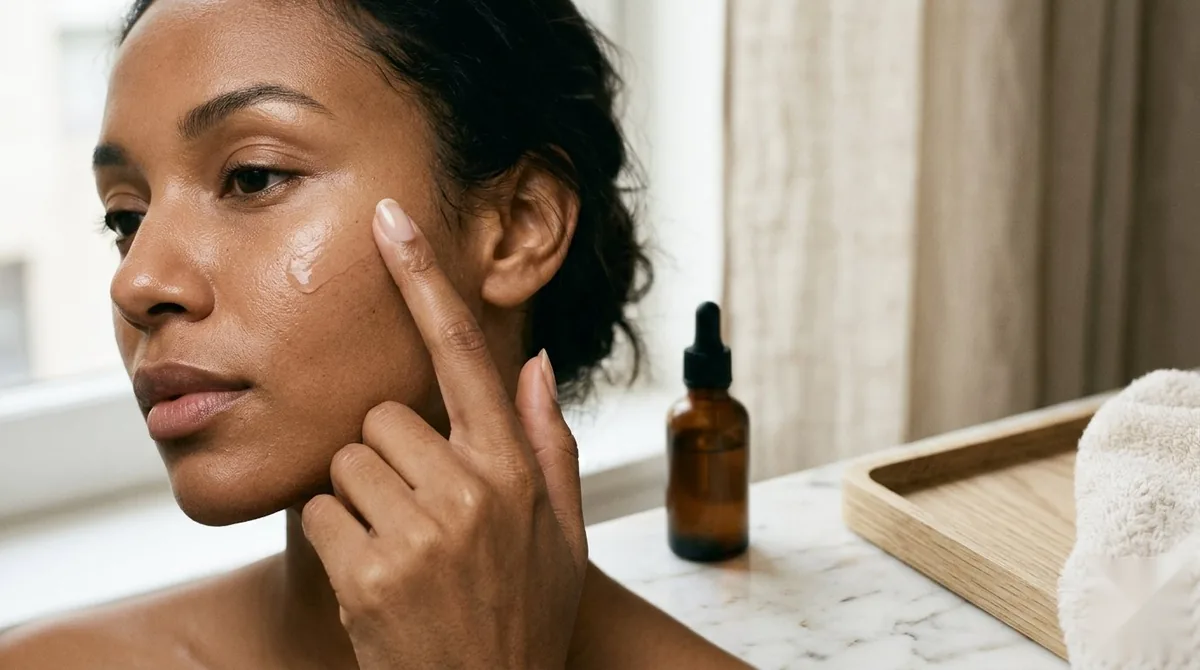
Walk through the reviews on any popular vitamin C serum and a pattern emerges. The happiest buyers describe the same arc: a few weeks of "is this doing anything?", then a gradual realization that their skin looks brighter in photos and that an old sun spot has quietly faded. The unhappy buyers tend to describe one of three things — stinging, a serum that turned brown in a month, or no change at all. Almost every one of those complaints is about form, freshness, or pairing, not whether vitamin C "works."
This guide leads with that part, because it is what separates a serum that delivers from an expensive bottle that oxidizes on your shelf. Then we rank eight vitamin C serums by what buyers consistently report for brightening and dark-spot fading. (For the broader luxury vitamin C field — including antioxidant-first picks — see our full luxury vitamin C serum ranking; this page is the brightening-focused cut.)
How Vitamin C Actually Brightens Skin
"Brightening" gets used loosely, so it helps to separate the two real effects. First, vitamin C is a tyrosinase inhibitor: it slows the enzyme your skin uses to make melanin. Over weeks, that means less new pigment is laid down, and existing dark spots and post-acne marks gradually look lighter. Second, it is a potent antioxidant that neutralizes the free radicals generated by UV and pollution — the daily oxidative stress that leaves skin looking dull, sallow, and older. The first effect is what fades spots; the second is what gives skin that lit-from-within look people describe after a few weeks of consistent use.
Neither effect is instant. Antioxidant radiance can show up within two to four weeks; genuine dark-spot fading is a months-long project, because you are waiting for skin to turn over and for new, less-pigmented cells to reach the surface.
The Form Matters More Than the Percentage
The number on the label — 10%, 15%, 20% — gets all the attention, but the type of vitamin C matters more for whether you will actually use it.
L-ascorbic acid (LAA) is pure vitamin C and the form with the deepest clinical record. It is the most potent and the best-studied for brightening, but it is also unstable (it oxidizes when exposed to light, air, and water) and the most likely to sting on sensitive or compromised skin. The proven sweet spot in the research is roughly 10–20% at a low, acidic pH. Above that, you mostly get more irritation, not more benefit.
Derivatives — tetrahexyldecyl ascorbate (THD), sodium ascorbyl phosphate (SAP), magnesium ascorbyl phosphate (MAP), and ethyl ascorbic acid — trade some potency for far more stability and gentleness. Reviewers with reactive or rosacea-prone skin almost always rate derivative formulas higher, because they get the brightening without the burn. THD in particular is oil-soluble and well tolerated, which is why several luxury brands build their gentlest serums around it.
The practical takeaway from thousands of reviews: the strongest LAA serum you can buy is worthless if it stings enough that you stop using it. Consistency over months is what fades pigment, so the right form for your skin beats the highest number on the shelf.
Why So Many Vitamin C Serums "Stop Working"
This is the single most common negative theme in vitamin C reviews, and it is almost always oxidation. Pure LAA degrades into a compound that not only loses brightening power but can mildly irritate skin. The tell is color: a fresh serum is clear to pale straw-yellow. Once it turns deep orange or brown, it has oxidized. Buyers who store serums in a cool, dark place and finish them within a few months of opening report consistent results; those who leave a clear-bottle serum on a sunny bathroom shelf for a year are the ones writing the "it did nothing" reviews. Air-restrictive packaging (opaque bottles, pumps, ampoules) and the stabilizing pair of vitamin E plus ferulic acid all meaningfully extend a serum's working life.
How to Use Vitamin C for Brightening Without Irritation
Morning, under sunscreen
Vitamin C is a daytime active. It complements sunscreen — studies show the antioxidant pairing protects better than SPF alone — and SPF is non-negotiable here, because UV undoes brightening faster than any serum can build it. Applying vitamin C and skipping sunscreen is the fastest way to never see results.
Start low and slow
If you are new to LAA, begin every other morning and build up. Reactive skin should start with a derivative formula. A pea-to-dime amount on clean, dry skin is plenty.
Pair it for stubborn pigment
Vitamin C alone will brighten, but buyers chasing specific dark spots get the fastest visible fading when they layer or alternate it with a second tone-evening active — alpha arbutin, tranexamic acid, or niacinamide in the morning, and a retinoid at night. If your main goal is pigment rather than overall radiance, see our companion guides on luxury retinol serums and targeted brightening actives.