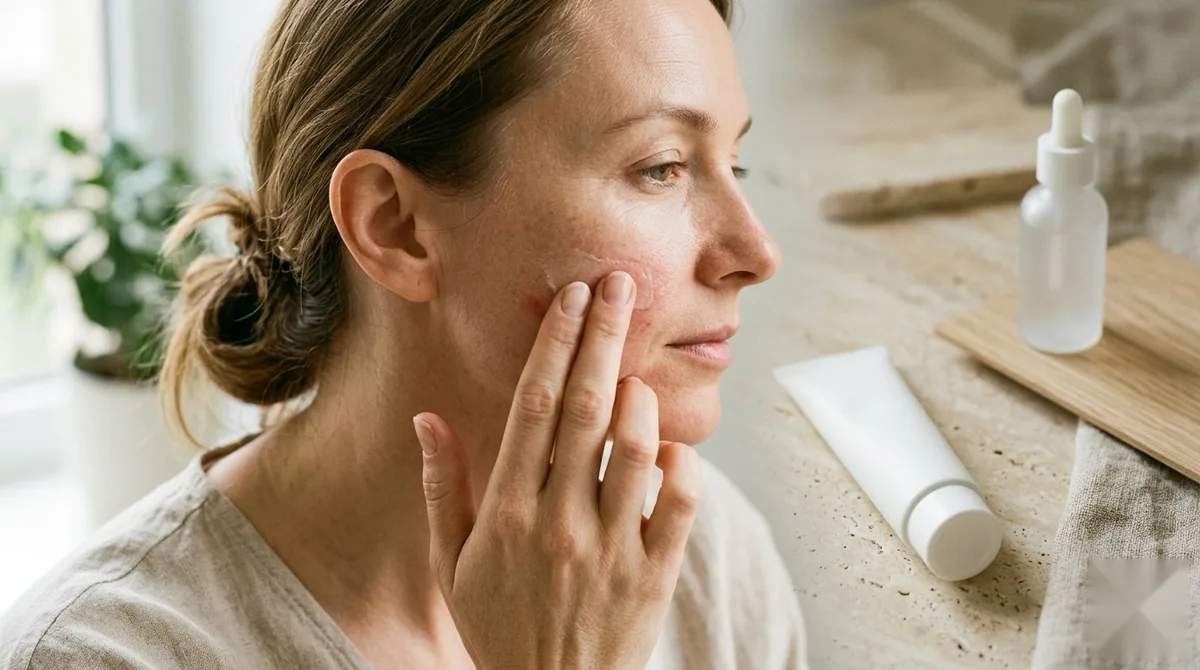
For years azelaic acid was the dermatologist's quiet favorite that nobody talked about. It is harder to formulate than trendier acids, it does not exfoliate dramatically, and it lacks the marketing glamour of retinol or vitamin C. But in 2026 it has broken through into luxury skincare, and the reason is simple: almost nothing else does as many jobs as gently. If your skin is red, reactive, breakout-prone, or marked — often all at once — azelaic acid is frequently the single most useful thing you can add.
This guide explains what makes it special, who it is for, and how to use it without wasting the bottle. Then we rank eight products — serums and creams — by what buyers consistently report for redness, rosacea, and tone.
Why Azelaic Acid Is the Quiet Multitasker
Azelaic acid is a dicarboxylic acid that occurs naturally in grains like wheat, barley, and rye. What makes it unusual is that it works through several mechanisms at once. It is anti-inflammatory, which is what calms the visible redness and flushing of rosacea-prone skin. It is antimicrobial, reducing the acne-causing bacteria on skin, so it helps with breakouts. It normalizes the way skin cells shed, which keeps pores clearer. And it inhibits tyrosinase — the same enzyme vitamin C targets — so it fades post-acne marks and uneven tone over time.
That breadth is the whole appeal. Most people reaching for azelaic acid are not chasing one concern; they have a complexion that is red and congested and marked, and they want one ingredient that addresses the whole picture without setting off a flare. Azelaic acid is one of the very few that can.
Who Azelaic Acid Is Really For
It is genuinely versatile, but a few groups benefit most. Rosacea-prone and easily-flushed skin is the standout — azelaic acid is one of a short list of actives dermatologists actively recommend for visible redness, where harsher options would trigger flares. Acne-prone skin that can't tolerate strong actives gets antibacterial and pore-clearing benefits without the dryness of benzoyl peroxide or the sting of high-strength acids. Skin with post-acne marks or uneven tone benefits from the tyrosinase-inhibiting, brightening effect. And because it is considered one of the safer actives during pregnancy, it is a common swap for those avoiding retinoids — though, as always, confirm with your own clinician.
10% vs. Prescription Strength
You will see azelaic acid at different concentrations, and the difference matters. Over-the-counter products typically use up to 10%, which is the strength behind most of the products here and is effective for redness, mild breakouts, and gradual mark-fading. Prescription formulas run 15–20% and are more potent — appropriate for stubborn rosacea or persistent acne — but they need medical guidance and are more likely to cause initial tingling or dryness. For most buyers starting out, a well-formulated 10% is the right entry point: enough to deliver, gentle enough to stick with.
How to Use Azelaic Acid Without Wasting It
Start every other day
Even though azelaic acid is gentle, a light tingle on application is normal, especially at first. Begin every other evening (or every other morning — it is stable in daylight, unlike retinol), and build to daily as your skin settles.
Apply to clean, dry skin and follow with moisturizer
A pea-sized amount covers the face. Let it absorb, then seal with a calming moisturizer. Azelaic acid layers cleanly under sunscreen and makeup, and the green-tinted formulas double as a subtle redness-neutralizer under foundation.
It combines easily
Azelaic acid plays well with niacinamide (a natural partner for redness and tone), with morning vitamin C, and with nighttime retinol — many buyers use azelaic on the nights they skip their retinoid. If your main goal is tone rather than redness, our niacinamide guide is a useful companion.